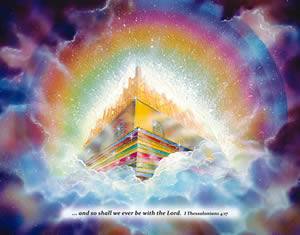
Choosing the right approach to real pictures of heaven: unveiling the divine starts with clear context, practical filters, and realistic expectations.
Introduction to the Concept of Heaven
The idea of heaven has been a cornerstone of human imagination and spirituality for centuries, with various cultures and religions attempting to describe and depict this mystical realm. From ancient civilizations to modern-day artwork, the concept of heaven has evolved, reflecting our deepest desires, fears, and understanding of the afterlife. Real pictures of heaven, whether through religious artwork, descriptive texts, or personal accounts, offer a glimpse into the human experience and our quest for transcendence.
Religious Perspectives on Heaven
Different religions have distinct views on heaven, often reflected in their artwork, scriptures, and traditions. For example, in Christianity, heaven is depicted as a realm of eternal bliss and union with God, as seen in Michelangelo's famous fresco on the Sistine Chapel ceiling. In Islam, heaven (Jannah) is described as a paradise of beauty and luxury, where the righteous will be rewarded. Hinduism and Buddhism also have their own concepts of heaven, with multiple realms and dimensions that reflect the complexities of the human soul.
Common Themes in Depictions of Heaven Despite the differences in religious beliefs,
there are
common themes that emerge in depictions of heaven across cultures. These include: - A sense of peace and serenity - Beauty and wonder - Reunion with loved ones - Spiritual growth and enlightenment - Freedom from suffering and pain
Artistic Interpretations of Heaven Artists throughout history have attempted to capture the essence of heaven through their work, often inspired by religious texts, personal experiences, or cultural traditions. From the intricate mosaics of Byzantine churches to the surreal landscapes of modern painters,

artistic interpretations of heaven reflect our collective imagination and longing for the divine. Some notable examples include: - Vincent van Gogh's "The Starry Night," which depicts a dreamlike scene of celestial beauty - William Blake's "The Vision of the Last Judgment," which illustrates a mystical and symbolic view of the afterlife - Salvador Dali's "The Ascension of Christ," which combines surrealism with traditional Christian iconography
Descriptions of Heaven in Literature
Literary works have also played a significant role in shaping our understanding of heaven, with authors using descriptive language to paint vivid pictures of this mystical realm. Examples include: - John Milton's "Paradise Lost," which describes heaven as a realm of light and beauty - Dante Alighieri's "The Divine Comedy," which takes the reader on a journey through the afterlife, including heaven - C.S. Lewis's "The Great Divorce," which offers a thought-provoking exploration of the nature of heaven and hell
Personal Accounts and Near-Death Experiences In recent years,
personal accounts of near-death experiences (NDEs) have become increasingly popular, offering a unique perspective on the concept of heaven. Many individuals who have had NDEs report experiencing a sense of peace, love, and unity, often describing a realm that resembles traditional notions of heaven. While these accounts are subjective and difficult to verify, they contribute to our ongoing discussion and fascination with the afterlife.
Cultural Variations and the
Evolution of Heaven The concept of heaven is not static; it evolves with cultural, social, and philosophical changes. As societies become more global and interconnected, our understanding of heaven reflects a blend of traditional beliefs and modern interpretations. This evolution is evident in: - The incorporation of environmental and ecological themes into descriptions of heaven - The recognition of diverse religious and cultural perspectives on the afterlife - The exploration of scientific and philosophical explanations for near-death experiences and the nature of consciousness
Practical Implications and Reflections

Reflecting on real pictures of heaven, whether through art, literature, or personal accounts, invites us to consider our own beliefs and values. It encourages us to ponder the meaning of life, the nature of the afterlife, and our place within the universe. This reflection can lead to a deeper appreciation for the complexities and mysteries of human existence, fostering empathy, compassion, and a sense of global unity.
Conclusion
The quest for real pictures of heaven is a universal human endeavor, reflecting our innate curiosity about the afterlife and our place in the cosmos.
Through the lens of art, literature, religion, and personal experiences, we glimpse the divine, challenging our perceptions and inspiring our imagination. As we continue to explore and understand the concept of heaven, we are reminded of the beauty, complexity, and mystery of human existence.
FAQs
- What are the most common themes in depictions of heaven?
- - Peace, beauty, reunion with loved ones, spiritual growth, and freedom from suffering.
- How do different religions describe heaven?
- - Each religion has its unique description, reflecting its beliefs and traditions, such as Christianity's heaven of eternal bliss, Islam's Jannah, and Hinduism's multiple realms.
- What role does art play in depicting heaven?
- - Art provides a visual and imaginative interpretation of heaven, inspired by religious texts, personal experiences, and cultural traditions.
- Can near-death experiences provide insight into heaven?
- - Yes, NDEs offer subjective accounts of peace, love, and unity, contributing to our understanding of the afterlife.
- How has the concept of heaven evolved over time?
- - It has evolved to incorporate environmental, ecological, and diverse cultural perspectives, reflecting societal changes and global interconnectedness.
- What is the significance of reflecting on real pictures of heaven?
- - It encourages us to consider our beliefs, values, and the meaning of life, fostering empathy, compassion, and a deeper appreciation for human existence.
- How can one explore the concept of heaven further?
- - Through reading religious texts, exploring artwork, engaging with literature, and considering personal accounts and philosophical discussions on the afterlife.