Workers don’t fail because they ignore danger—they fail because they don’t see it. A moment of distraction. A shortcut that feels harmless. A piece of protective gear left behind because it was “only for today.” These are the cracks where accidents pour through. Yet, one of the most powerful tools to stop these tragedies isn’t a helmet, glove, or respirator—it’s a conversation.
PPE toolbox talks are not just routine check-ins. They’re frontline interventions. Short, focused, and rooted in real work conditions, they bridge the gap between policy and practice. When done right, they don’t just remind workers to wear PPE—they make them understand why.
The Hidden Cost of Skipping a Helmet (Or a Conversation)
Imagine a roofer who climbs a ladder without a hard hat because “it’s just a quick fix.” A spark from a grinder hits his head. The injury isn’t fatal—but it’s life-altering. Recovery takes months. The job site halts. Morale dips. The company faces scrutiny.
Now imagine that same roofer had attended a 5-minute toolbox talk that morning about head injuries from falling debris and overhead work. The discussion included a near-miss story from another site. Someone brought up how uncomfortable hard hats can be in summer heat—and the team shared a trick for using sweat-absorbing liners.
That conversation shifts behavior. It’s not about compliance—it’s about connection.
This is the real importance of wearing PPE toolbox talks: they transform abstract rules into human stories. They turn safety into shared responsibility.
What Makes a PPE Toolbox Talk Effective?
Not all toolbox talks are created equal. Too often, they become performative—a checklist item signed off before work begins. But effective talks go deeper. They follow a simple but critical formula:
- Relevance — Tied to today’s task, not generic.
- Engagement — Workers speak, not just listen.
- Clarity — Specific PPE required, not “wear safety gear.”
- Accountability — Someone checks that gear is actually used.
For example, a pre-shift talk before welding shouldn’t just say “wear PPE.” It should specify: - Auto-darkening helmet (shade 10 or higher) - Flame-resistant jacket - Safety goggles underneath the helmet - Hearing protection if near prolonged noise
And then ask: “Who’s checked their helmet lens today? Anyone need a spare?”
That specificity prevents assumptions. It turns instruction into action.
Real-World Scenarios Where PPE Talks Prevented Injury
Scenario 1: Electrical Work in a Confined Space A maintenance team prepared to service a breaker panel in a basement. Before starting, the supervisor led a toolbox talk focused on arc flash risks. The discussion included: - Required: Class 2 arc-rated suit, face shield, insulated gloves - Common mistake: Rolling up sleeves over the suit - Check: Gloves tested within the last 6 months?
One technician realized his gloves were due for re-certification. The work paused. New gloves were issued. Later, during the job, a short caused a minor arc. The gear held. No injuries.
Without the talk? The expired gloves might have failed.
Scenario 2: Grounds Crew and Pesticide Application A landscaping team was about to spray herbicide. The toolbox talk covered: - Chemical-resistant gloves (not just any gloves) - Goggles and respirator for fine mists - Decontamination steps post-application
A new crew member admitted he didn’t know how to fit his respirator properly. The lead demonstrated the seal check. The team corrected his strap tension.
Later, wind shifted, misting the crew. Because everyone wore correct PPE—and knew how to use it—no one was exposed.
These aren’t edge cases. They’re proof that a 10-minute talk can redefine risk.
Common Mistakes That Undermine PPE Toolbox Talks
Even well-intentioned talks fail when they fall into these traps:
1. One-Size-Fits-All Approach
Using the same PPE talk for office janitorial staff and high-voltage linemen ignores risk disparity. Tailor every talk to the hazard.
2. No Follow-Through Saying “wear gloves” without checking if they’re chemical-resistant for the task is worse than useless—it creates false confidence.
3. Top-Down Delivery
When only the supervisor talks, engagement drops. Rotate facilitators. Let workers share near-misses or tips.
4. Ignoring Comfort and Fit PPE that’s uncomfortable gets modified or discarded. Use talks to address fit issues: “If your boots are too tight, report it. We’ll fix it.”
5. Skipping Refresher Topics Heat stress, visibility in low light, glove degradation—these aren’t “one-and-done” topics. Revisit them seasonally.
Fix these, and your toolbox talks stop being compliance theater and start shaping culture.
How to Structure a High-Impact PPE Toolbox Talk
A strong template keeps talks focused and repeatable. Use this format:
1. Start with the Task “Today, we’re pressure-washing second-floor siding. That means working at height, near windows, with high-pressure water.”
2. Identify Hazards
- Fall risk from ladder instability
- Eye injury from debris or spray back
- Slip hazard from pooled water on ground
3. Specify Required PPE
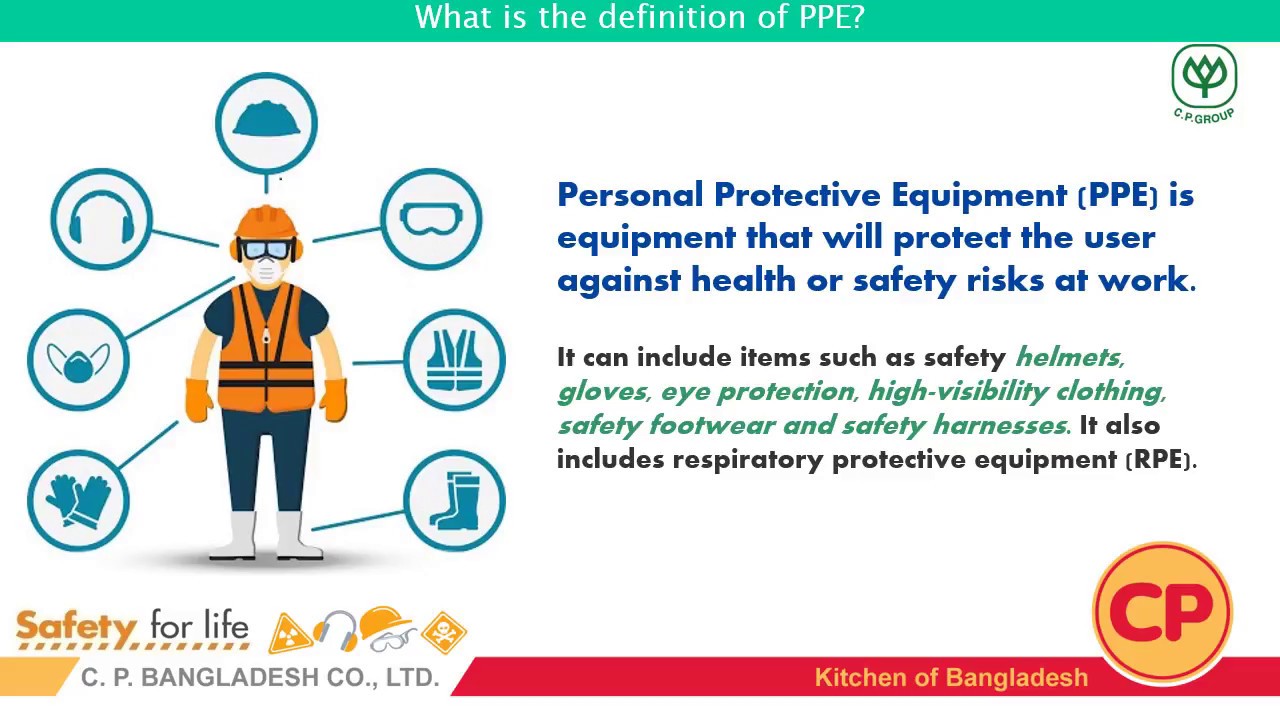
- Hard hat with chin strap
- Safety goggles (not just sunglasses)
- Non-slip, closed-toe boots
- High-visibility vest
4. Demonstrate and Verify Have someone show how to adjust the chin strap. Ask: “Who’s checked their goggles for cracks?”
5. Encourage Questions “Any concerns about ladder placement? Anyone had a close call with spray-back?”
This structure takes 7–10 minutes. It’s not a lecture. It’s a safety huddle.
The Ripple Effect: How PPE Talks Build Safety Culture
Wearing PPE isn’t just about individual protection—it’s about collective trust. When workers see their peers wearing gear consistently, they’re more likely to do the same. Toolbox talks amplify this norm.
They also create psychological safety. Workers who speak up in a talk are more likely to speak up when they see a hazard. They feel ownership.
In one warehouse, after introducing weekly PPE talks, PPE compliance rose from 72% to 96% in three months. More importantly, near-miss reporting doubled. Workers weren’t just safer—they were more observant.
This is the hidden ROI: fewer incidents, yes—but also faster response, better communication, and lower turnover.
Integrating PPE Talks Into Daily Workflow
The best toolbox talks aren’t events. They’re habits. To make them stick:
- Schedule them daily, not just after incidents
- Keep logs, but don’t over-document—focus on action, not paperwork
- Use visuals: bring in damaged gloves, cracked face shields, or expired respirators
- Rotate facilitators—empower junior staff to lead
- Link to permits: no hot work permit without a PPE talk on fire-resistant clothing
And never let weather or urgency cancel a talk. Rainy day? Talk about wet gloves reducing grip. Rush job? That’s exactly when you need a safety pause.
Actionable Steps to Improve Your PPE Toolbox Talks
Don’t wait for an incident to refine your approach. Start today:
- Audit your last 5 talks — Were they task-specific? Did workers engage?
- Create a 30-day PPE talk calendar — Rotate through high-risk activities
- Train 2 new facilitators — Break supervisor dependency
- Add a “PPE Spot Check” — Random mid-shift audits to reinforce accountability
- Celebrate compliance — Recognize teams with perfect PPE logs
Small shifts compound. A better talk today means a safer site tomorrow.
Safety isn’t a slogan. It’s a series of choices. And the choice to have an honest, focused conversation about PPE might be the most important one you make all day.
FAQ
Why are toolbox talks important for PPE compliance? They turn abstract rules into real-world applications, increasing understanding and accountability, which drives consistent PPE use.
How long should a PPE toolbox talk last? Ideally 5–10 minutes—long enough to cover the task and gear, short enough to hold attention.
Who should lead a PPE toolbox talk? Supervisors typically lead, but rotating facilitators—including workers—boosts engagement and ownership.
Can toolbox talks reduce workplace accidents? Yes. Studies show sites with regular, focused safety talks report up to 40% fewer incidents, especially when talks include hazard identification and PPE checks.
What should be included in a PPE toolbox talk? Task-specific hazards, required PPE, proper use and fit, common mistakes, and time for questions and verification.
How often should PPE toolbox talks be held? Daily, especially before high-risk tasks, and whenever job conditions or PPE requirements change.
Are toolbox talks a legal requirement? While not always mandated directly, OSHA and other safety regulations require employers to train workers on hazards and PPE—toolbox talks are a recognized best practice for meeting those obligations.
FAQ
What should you look for in Why PPE Toolbox Talks Save Lives on the Job? Focus on relevance, practical value, and how well the solution matches real user intent.
Is Why PPE Toolbox Talks Save Lives on the Job suitable for beginners? That depends on the workflow, but a clear step-by-step approach usually makes it easier to start.
How do you compare options around Why PPE Toolbox Talks Save Lives on the Job? Compare features, trust signals, limitations, pricing, and ease of implementation.
What mistakes should you avoid? Avoid generic choices, weak validation, and decisions based only on marketing claims.
What is the next best step? Shortlist the most relevant options, validate them quickly, and refine from real-world results.